Eleven product lines, every one of them on this page because a shop floor problem demanded it and the numbers kept it. Standard consumables ship from stock; special tooling is engineered from your component drawing. Each line links to the components it runs on.
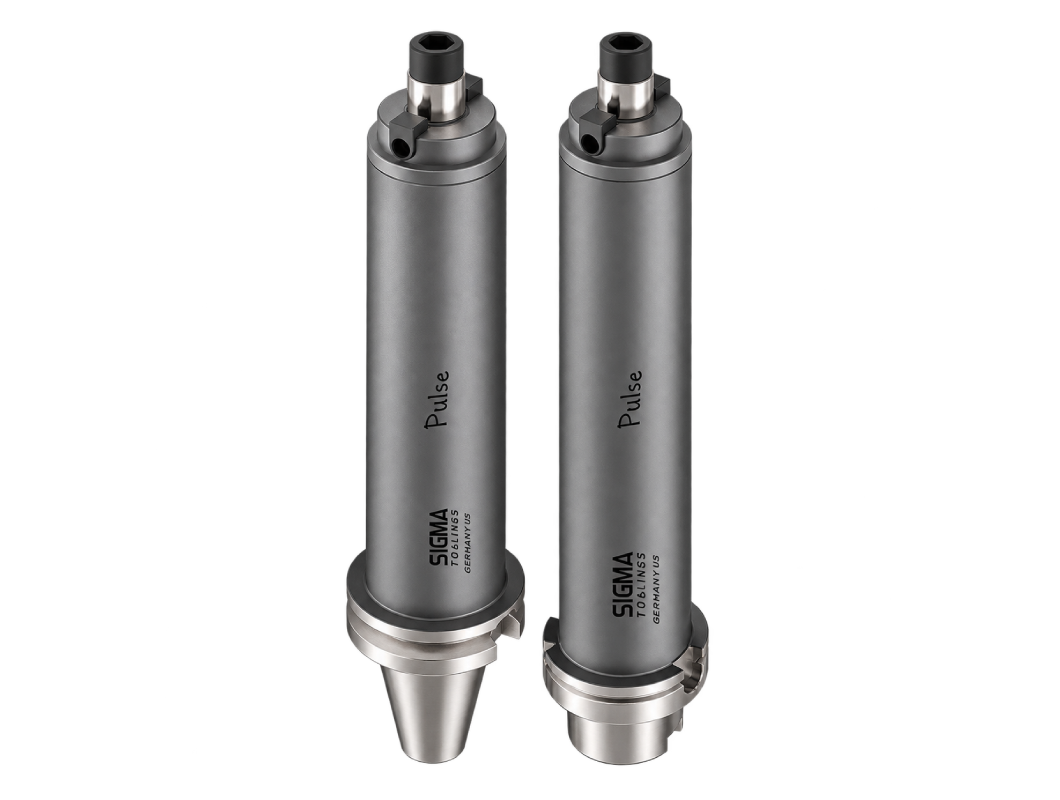
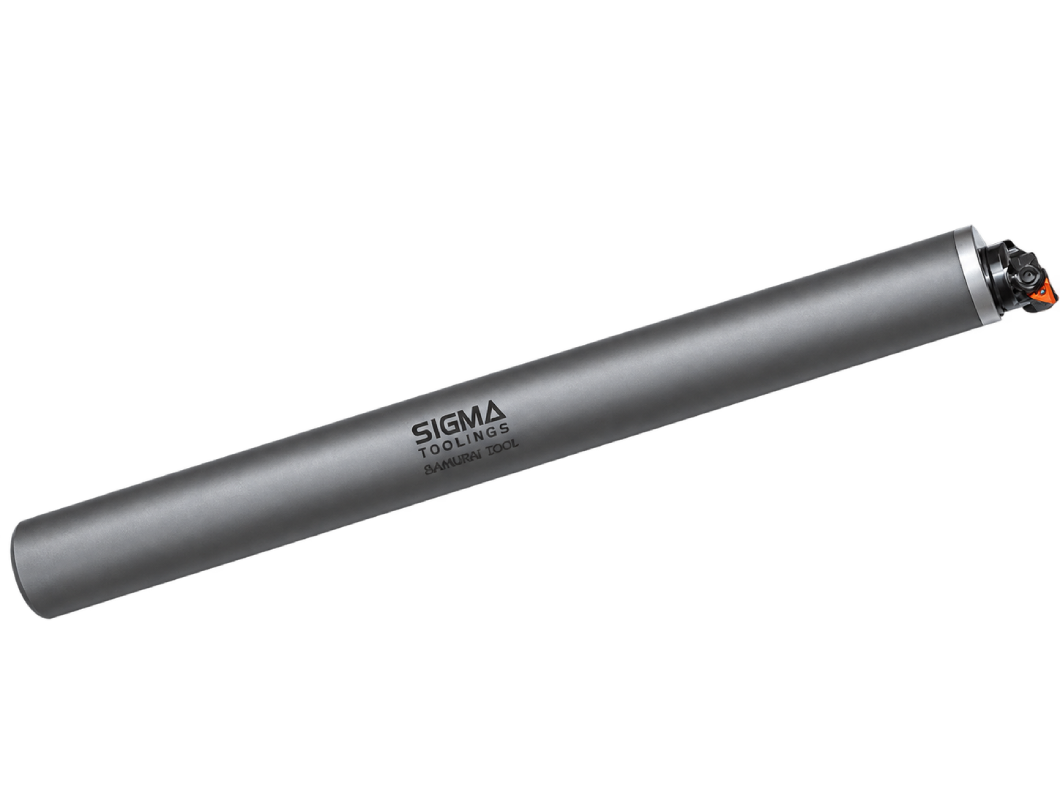
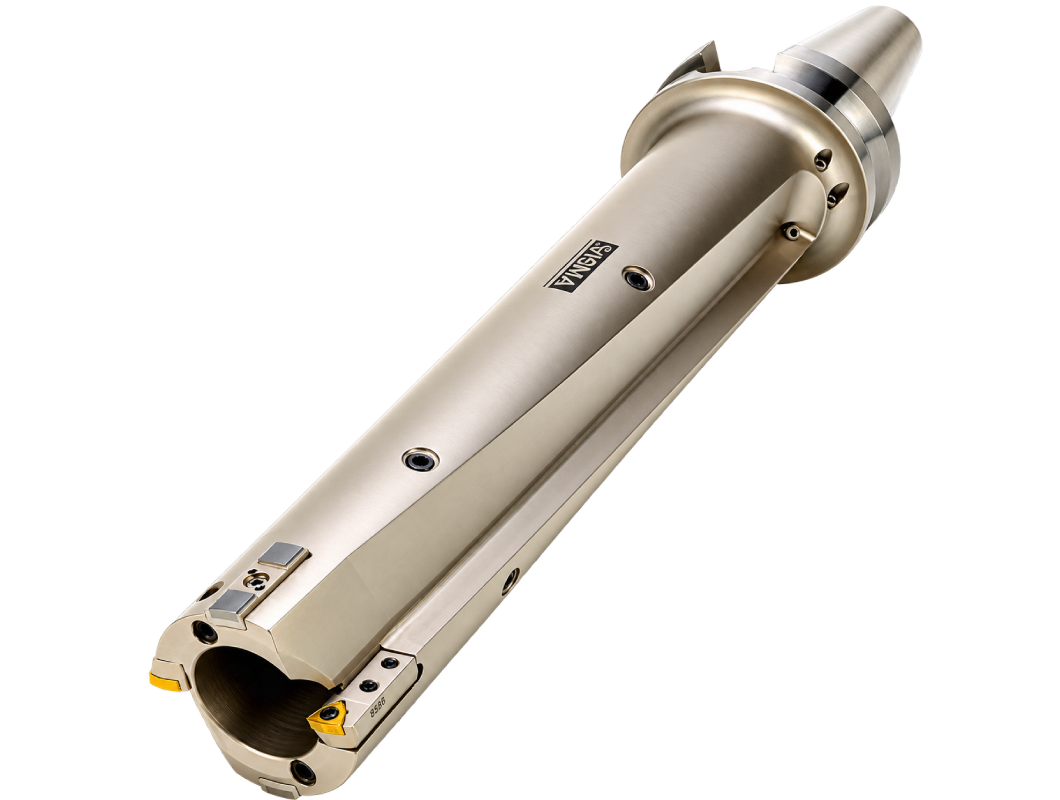
Vibration is what caps productivity in deep-hole machining, particularly past L/D 5. In a conventional bar, the dynamic interaction between tool and machine turns into chatter, poor finish and parameters you daren't push. Samurai removes that ceiling.
SAMURAI ROTARY & STATIONARY — TBD
How it works
Piston–cylinder damping system filled with special fluid — the piston dampens, the fluid absorbs
Anti Vibration Tool mechanism sits at the maximum deflection zone, neutralising vibration where it starts
High-tensile steel body delivering 18–24× the damping of conventional anti-vibration tooling
Handles multiple axial loads, so cutting parameters can be widened rather than protected
Stable machining well beyond L/D 4, with close tolerances and superior surface finish
All rotary tools balanced at 10,000 RPM to G2.3 class
24×Damping vs conventional AVT, at the top of the range
Vibration is what caps productivity in deep-hole machining, particularly past L/D 5. In a conventional bar, the dynamic interaction between tool and machine turns into chatter, poor finish and parameters you daren't push. Samurai removes that ceiling.
SAMURAI ROTARY & STATIONARY — TBD
How it works
Piston–cylinder damping system filled with special fluid — the piston dampens, the fluid absorbs
Anti Vibration Tool mechanism sits at the maximum deflection zone, neutralising vibration where it starts
High-tensile steel body delivering 18–24× the damping of conventional anti-vibration tooling
Handles multiple axial loads, so cutting parameters can be widened rather than protected
Stable machining well beyond L/D 4, with close tolerances and superior surface finish
All rotary tools balanced at 10,000 RPM to G2.3 class
24×Damping vs conventional AVT, at the top of the range
5Max roughing DOC in a single pass, mm
Range & recommended parameters
Stationary series
CNC turning centres & lathes
Stationary shank range
Ø 25 · 32 · 40 · 50 · 60
Working L/D
WL/D 6 · 8 · 10 (cylindrical shank by overhang)
Holding guidance
Stationary tools held up to L/D = 4 for sufficient holding strength
Cutting speed (Vc)
80–100 m/min
Feed rate
0.1 mm/tooth
Depth of cut — roughing
up to 1.5 mm radial · max 5 mm single pass
Depth of cut — finishing
0.25–0.30 mm radial
Corner radius
0.4 mm finishing · 0.8 mm roughing
Above L/D 8
Parameters optimised case-wise with our application engineers
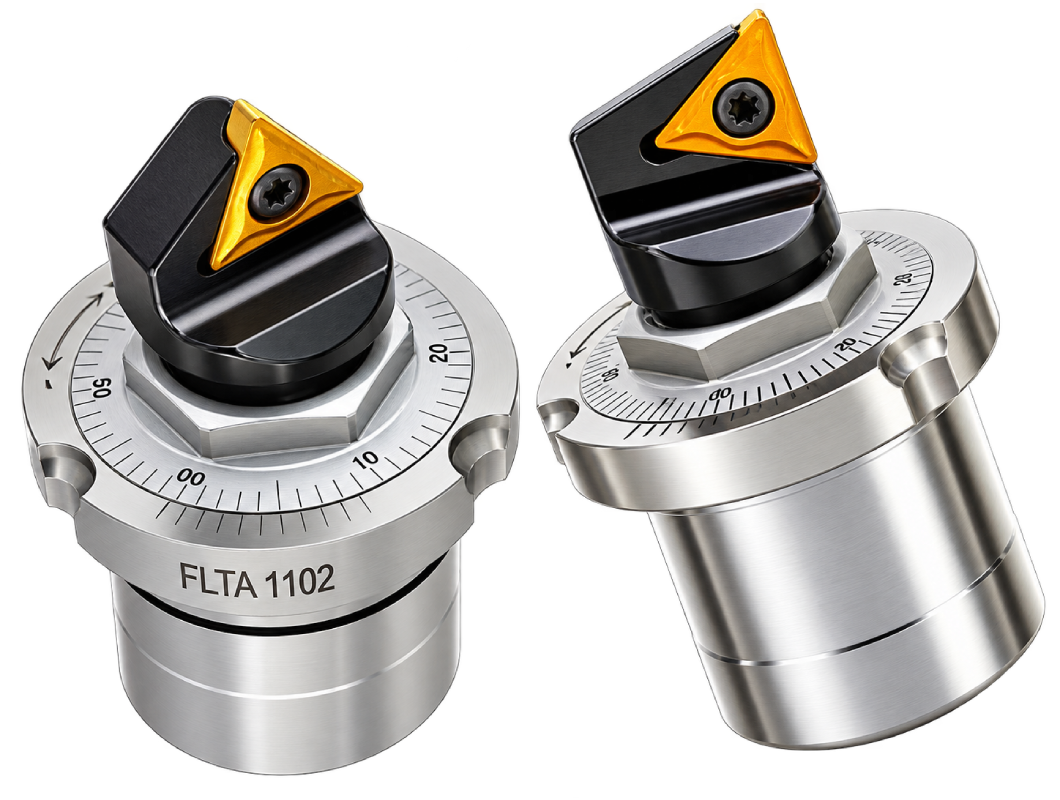
The final sizing pass is where a bore is won or lost. MBU is Sigma's fine boring mechanism for finished boring applications: zero backlash, adjustment from the top, and a least count that holds IT6/IT7 in engine blocks and bearing housings.
MICRO BORING UNIT — TBD
Why shops standardise on it
Zero backlash on the adjustment mechanism
Adjustment from the top with a self-locking mechanism — no dial-back, no drift
Extremely economical, with extra stock held for fast replacement
Standard and custom-made options against your bore chart
Repeatable enough to be set by the operator, not only by the setter
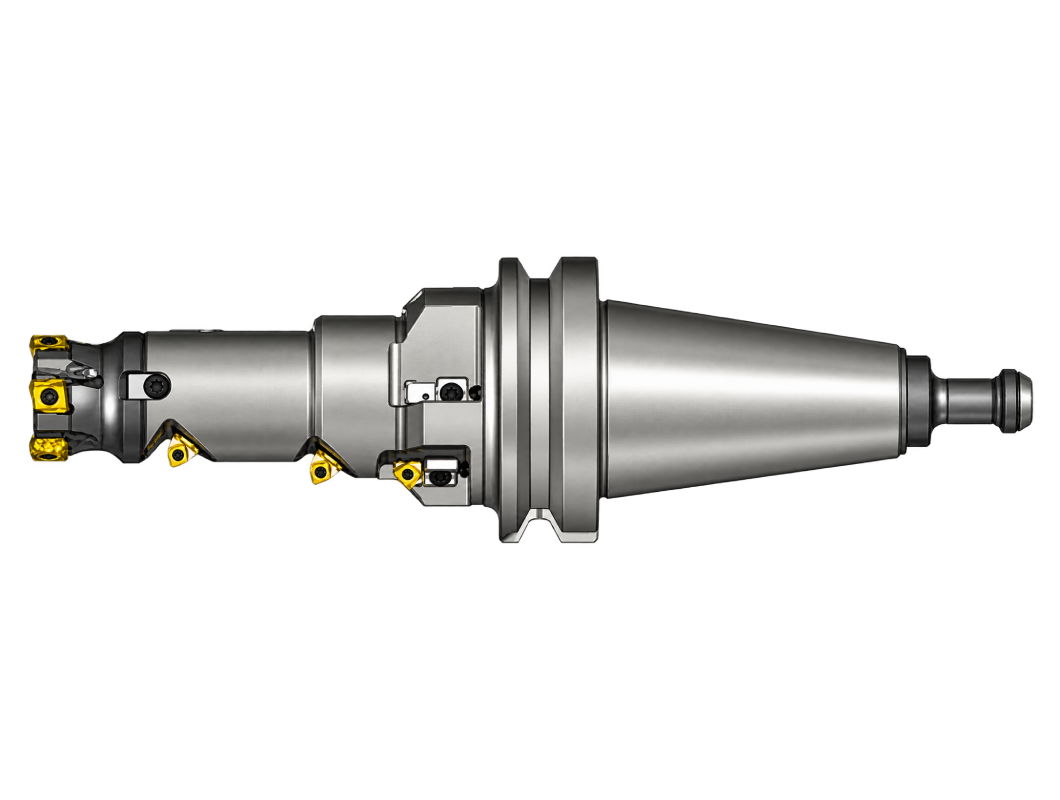
A combination tool does in one pass what your process currently spends three or four tools on — drilling, chamfering and spot facing together, or rough-to-finish boring in a single entry. Fewer ATC calls, fewer magazine slots, less non-cutting time.
COMBINATION BORING TOOL — TBD
What it removes from the cycle
Multiple operations performed in a single pass
Fewer tool changes — ATC time comes straight out of cycle time
Frees magazine slots on a machine that is already full
One setting instead of several, so stack-up error between operations disappears
Bridge-type designs for larger diameters where rigidity decides the result
Designed against your component drawing, not selected from a catalogue
Configuration
Typical combinations
Milling + roughing + chamfer + finishing
Body types
Bridge type for large diameters · cartridge type for multi-step bores
Adjustment
Cartridge-level, or MBU cartridges where micron sizing is required
Design input
Component drawing, operation sheet, machine and fixture details
Support
Free trial and prove-out on your machine with our application engineer
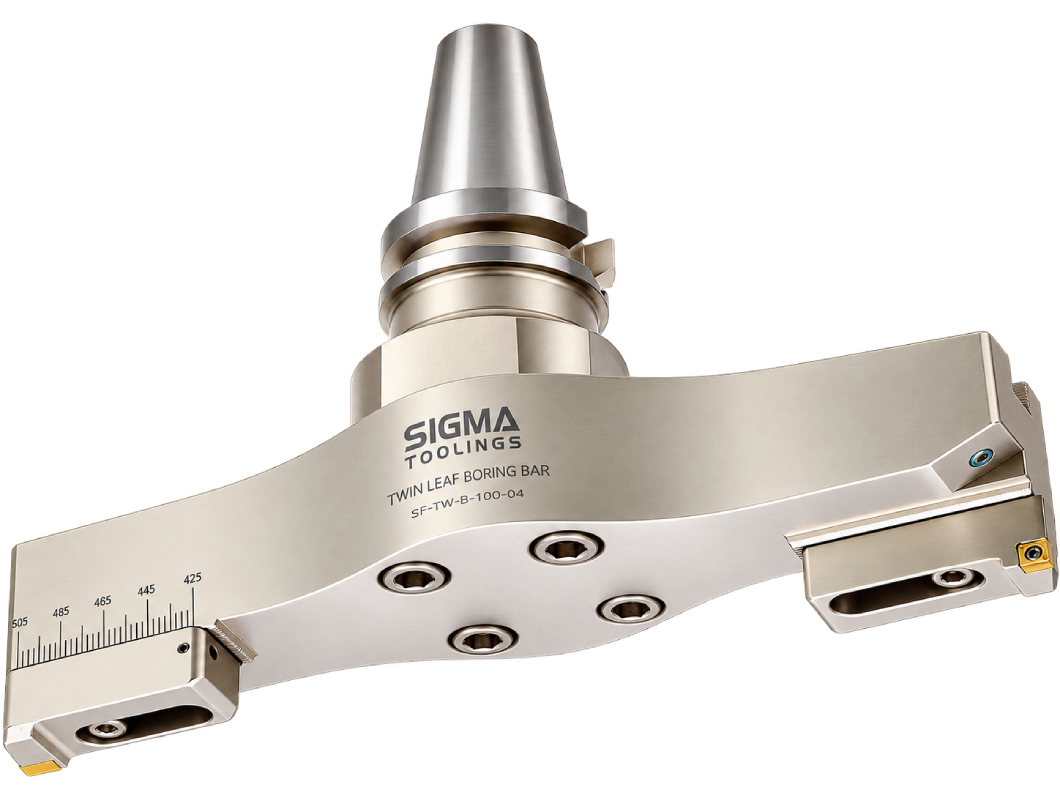
Large-bore roughing punishes the spindle. Twin Leaf uses a lightweight body to cut rotating mass, which lowers centrifugal load and lets you run the RPM the job actually wants — the difference between a housing bore that takes minutes and one that takes a shift.
TWIN LEAF BORING HEAD — TBD
Built for
Lightweight aluminium body — lower rotating mass, lower centrifugal force on the spindle
Higher permissible RPM, so cycle time comes down on large diameters
Economic solution across the complete boring range
Robust, heavy-duty performance under roughing loads
Standard and custom-made options available
Roughing and semi-finish boring on heavy engineering and tractor housings
1080mmTop of the standard diameter range, and above on request
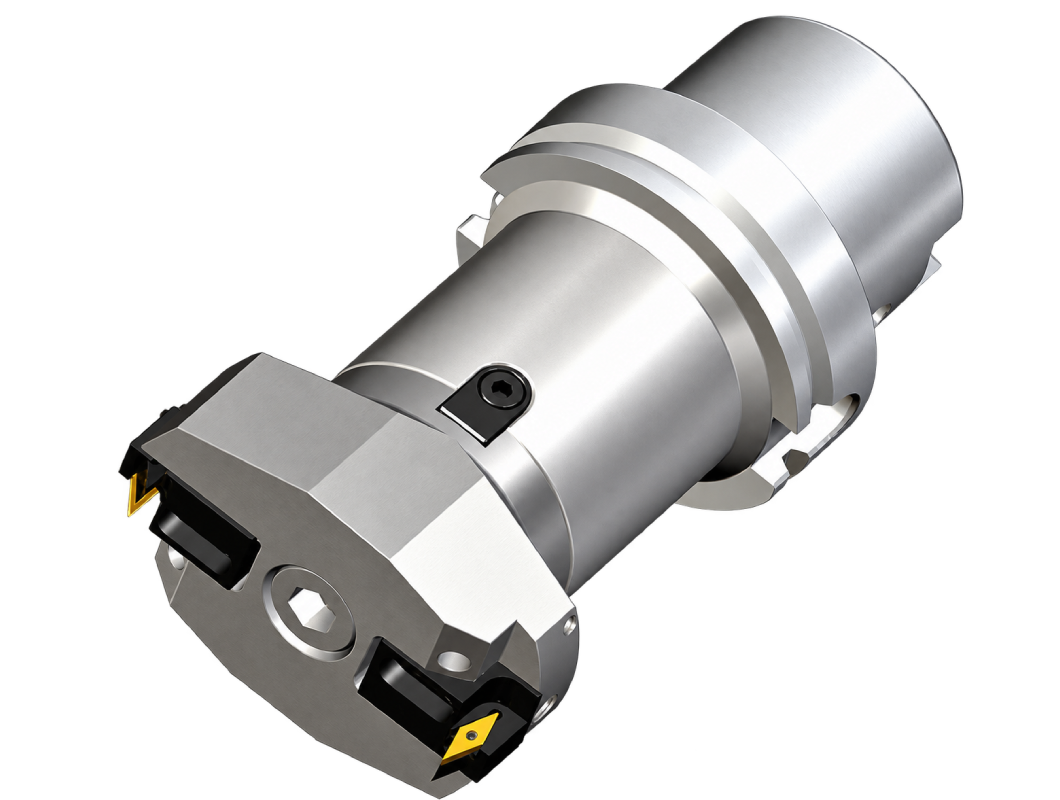
Trepanning cuts an annular groove and removes the core solid, instead of turning the whole of it into chips. On large holes in expensive stock — heavy engineering, defence, oil & gas — that saved core is the economics of the operation.
TREPANNING & RING GROOVE — TBD
Trepanning
Efficient and faster than drilling the full section away
Far less material wasted — the core comes out solid
Robust, heavy-duty performance
Reduces the number of tools in the operation
Standard as well as custom made options
Ring groove tools designed to your drawing, including API ring groove finish geometry
Trepanning cuts an annular groove and removes the core solid, instead of turning the whole of it into chips. On large holes in expensive stock — heavy engineering, defence, oil & gas — that saved core is the economics of the operation.
TREPANNING & RING GROOVE — TBD
Trepanning
Efficient and faster than drilling the full section away
Far less material wasted — the core comes out solid
Robust, heavy-duty performance
Reduces the number of tools in the operation
Standard as well as custom made options
Ring groove tools designed to your drawing, including API ring groove finish geometry
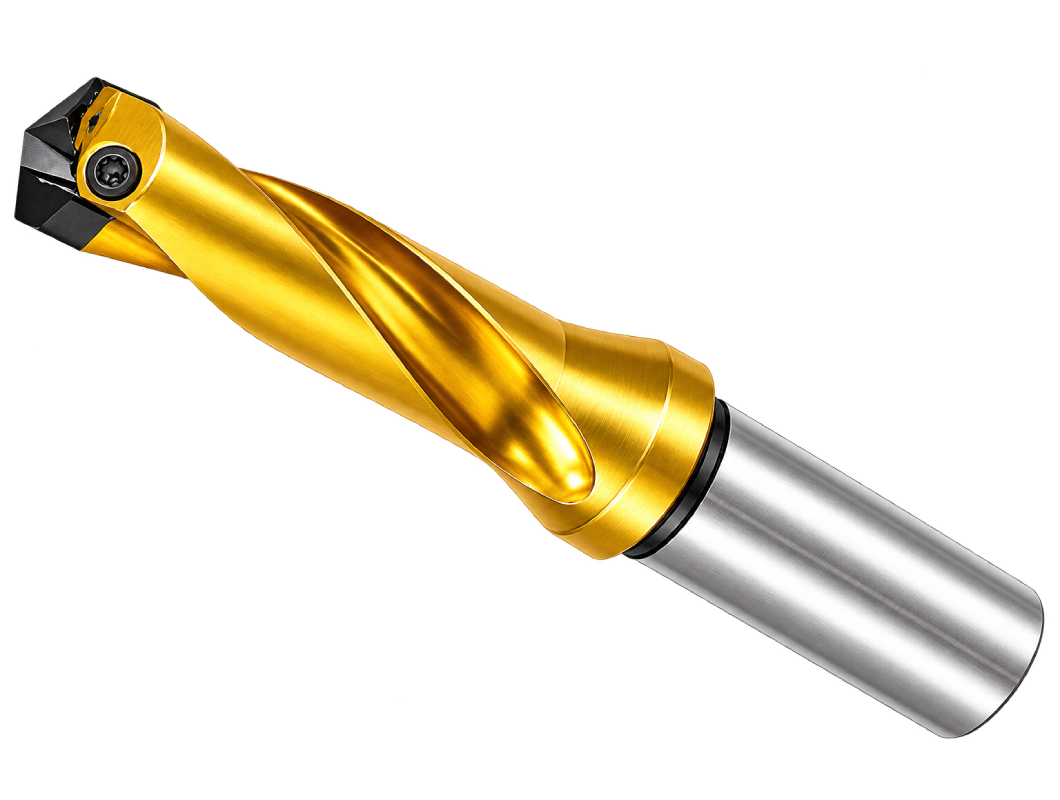
Two ways to stop paying solid-carbide prices per hole. Kruz replaces only the carbide head when it is worn; the indexable range puts four real cutting edges on an insert. Both run through-coolant and both are built for feed.
KRUZ DRILLS — TBD
Kruz drill — replaceable head
Only the carbide head is replaced when worn — not the whole drill
Through-coolant holes for cooling and chip evacuation
Helical flute design for smooth chip removal in deep drilling
Capable of high feed rates and high-speed drilling — lower cost per hole
Indexable range: 4 real cutting edges per insert, controlled chip formation
X-offset design to adjust diameter on turning machines and optimise tolerance on machining centres
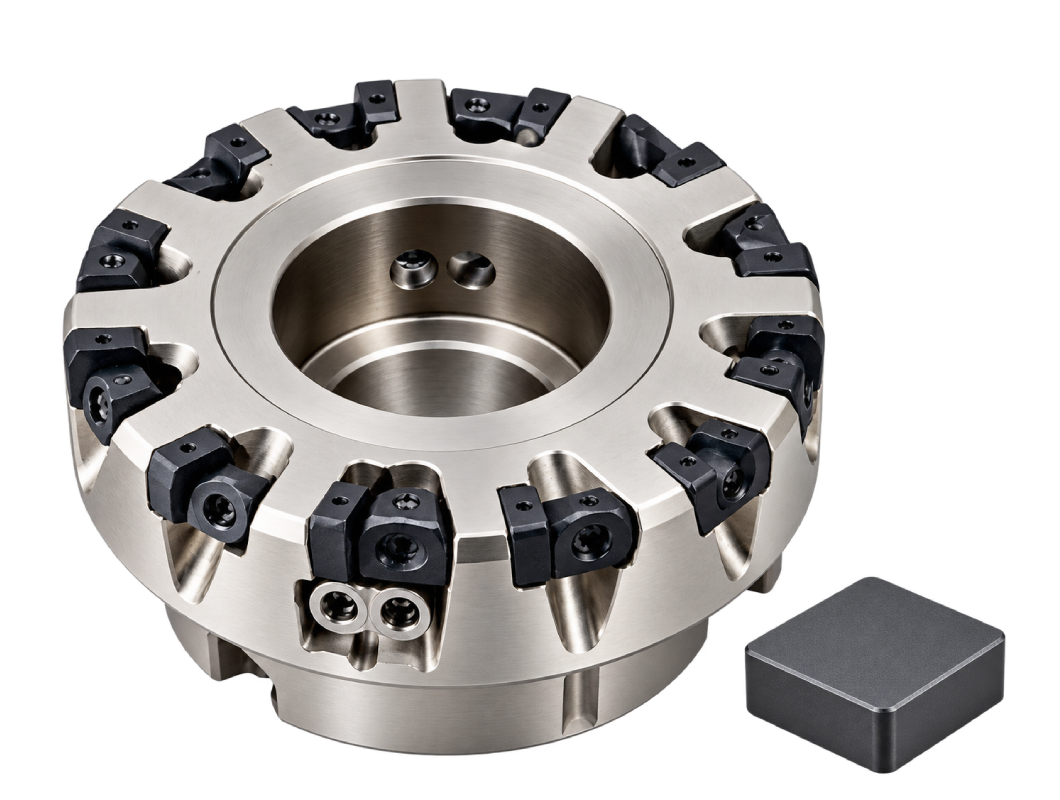
The pairing that produced our largest recorded gains: ceramic for abrasive conditions, CBN with wiper geometry for the finish pass. On customer trials against their existing inserts it more than halved cycle time and multiplied tool life.
CERAMIC + CBN FINISH MILLING — TBD
Ceramic (SNGN) and CBN (SNGN / SNEX wiper)
Ceramic offers longer tool life in abrasive conditions
Negative ceramic insert gives 8 cutting edges
Peripherally ground for accuracy in finishing operations
CBN cutter body is lightweight for higher speed and feed
Double gripping adjustment for wiper inserts, fine pitch design
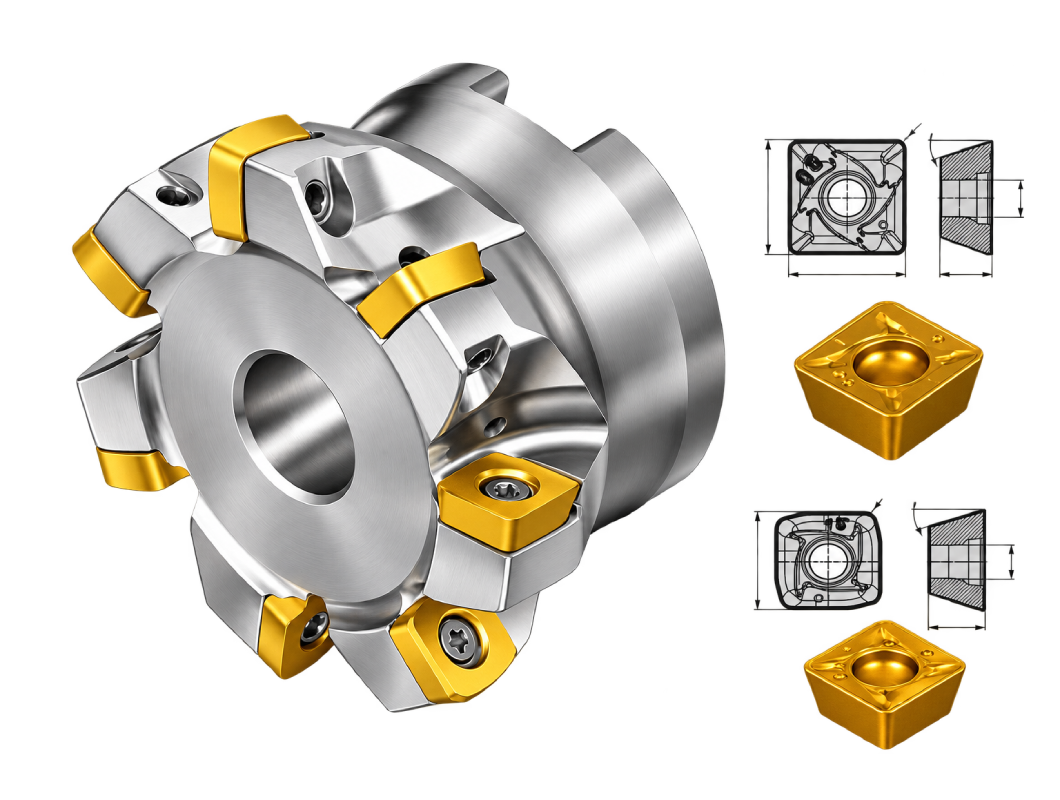
High feed milling trades depth for feed rate, and the whole thing depends on the insert holding a light axial cut at a tooth feed nobody used to attempt. SDMT runs up to 2.4 mm per tooth — and drops into the same cutter body as your square shoulder inserts.
SDMT HIGH FEED INSERTS — TBD
Capability
Highest tooth feed up to fz = 2.4 mm
Aggressive ramping capability
High contact time
Universal grade for cast iron, steel and stainless steel machining
Same cutter body used for square shoulder and high feed
Special cutter body design for higher tool life on the SDI2 range